Margo is close to its first general release. For machine and plant builders it comes down to this: choosing the edge hardware and choosing the management software become two separate decisions. Today they are usually one — which is why an application gets repackaged and retested for every device vendor.
What Margo actually is
Margo is an initiative under the Linux Foundation, founded in 2024 by ABB, Siemens, Microsoft, Schneider Electric, Rockwell Automation and Capgemini, among others. The name comes from the Latin word for “edge”.
Margo has three parts, and all three matter:
- An open specification for how edge devices, edge applications and the orchestration software talk to each other.
- A reference implementation vendors can align with.
- A compliance testing toolkit that lets conformity be demonstrated rather than asserted.
The third is the one that ends up making the difference. A standard without a test tool is a statement of intent.
Where Margo stands today
Worth knowing for planning: the specification is still labelled pre-draft. Features that do not make a release move to the next one. If you put Margo on a roadmap today, put it there as a direction, not as a delivery date.
What changes in practice for a machine builder
The pain point is everyday and rarely written down: different edge hardware relies on different deployment technologies — Docker, Podman, Snap. The same application has to be packaged differently, installed differently and managed differently for each target device. That costs engineering time with every new device in the portfolio, and it ties the choice of hardware to the software you already have.
Once the Margo standard takes hold, three things change:
- Choose devices on price and availability, not on what your existing management software happens to support.
- One package format instead of several. An application shipped once in Margo-conformant form runs on any conformant platform.
- Multi-vendor operation becomes the normal case, not a special case with its own integration project.
For the installed base this is more than convenience. If you have to roll out security updates across a mixed device fleet — and since 11 September 2026, with the CRA reporting duties, that is no longer optional — you pay for every vendor quirk twice: once when building, once on every rollout.
What you can do today
Without waiting for the GA release:
- Ask your hardware and software suppliers whether and when they plan Margo conformity. The answer sorts your supplier field faster than any brochure.
- Read the specification as it develops. It is public on GitHub, with release tags and the project board for the next preview release.
- Contribute if something is missing. The Specification Update Proposal process is explicitly open to non-members too. Put the requirements from your own machine fleet in, and you will find them in the standard later.
Where logiccloud stands
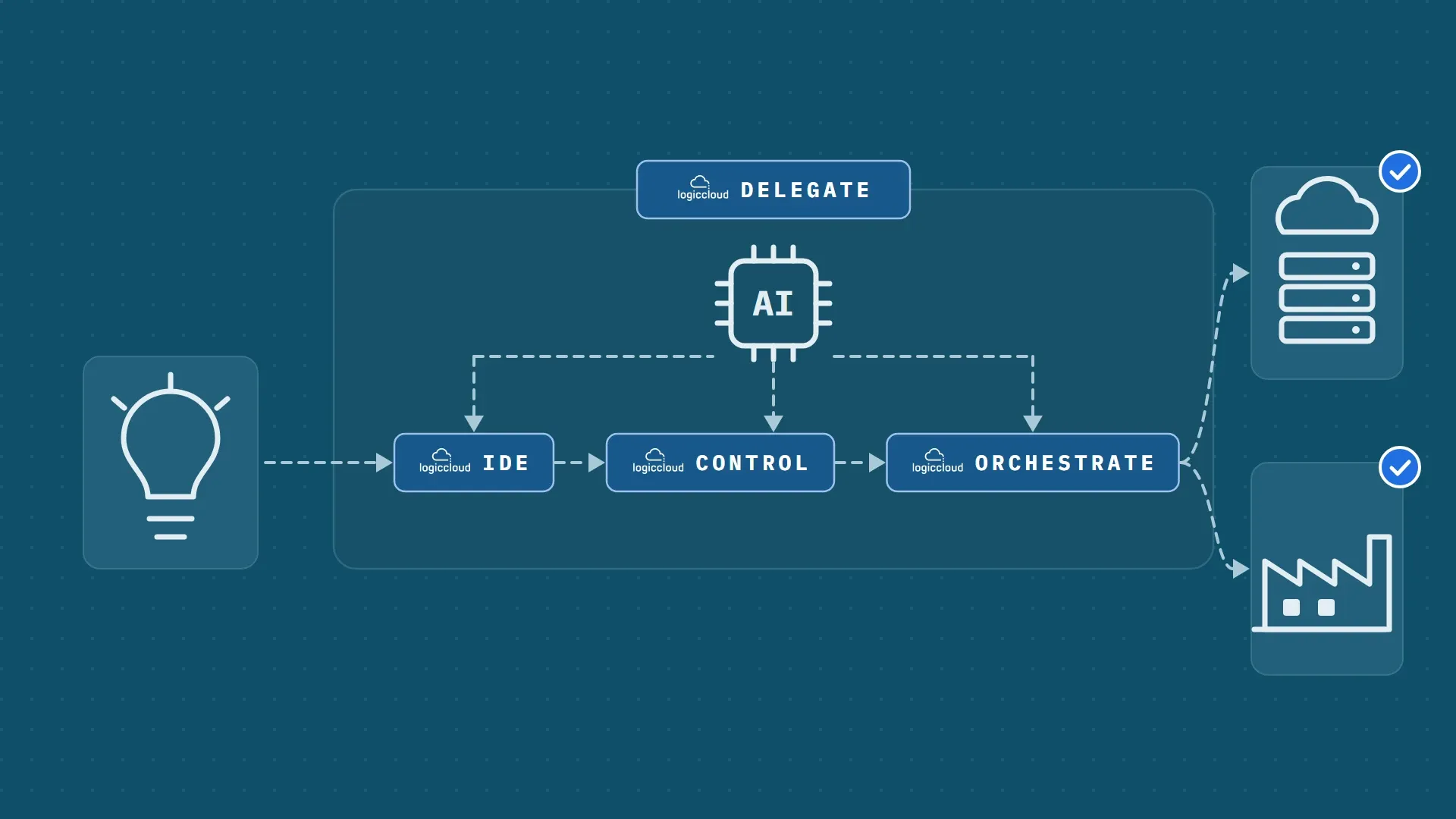
logiccloud has built on Docker and Kubernetes from the start — precisely the container technologies Margo itself builds on. The Fleet Manager in logiccloud ORCHESTRATE follows the open Margo approach to managing edge workloads. Our take at the time is still in our post “Manage edge software uniformly”.
And the honest footnote to that: formal proof of conformity only becomes possible once the compliance testing toolkit ships with the general release. Until then the same applies to everyone involved — you align with a specification that is still moving. We will tell you as soon as we have passed the test.
The next step
If you run edge devices from more than one vendor today, the stocktake is worth doing now rather than after the release: how many package formats do your applications exist in, and what does that cost you per rollout?
Show us your device fleet — we will look at what can already be unified today.
Sources, checked on 12 September 2026; timeline updated on 2 November 2026